.png)


Three Lives, One Rare Condition, and a Small Virginia Community

In the Culpeper area, three people live with the same rare neurological condition. One is a senior. One is an adult. One is a child.
In a small community, that isn’t something you expect to find.
Moebius syndrome affects facial movement. People with the condition cannot smile or show typical facial expressions, even though they experience emotion like anyone else. It is considered rare, and for many people, that word carries an assumption: rare means distant, abstract, or unlikely to exist close to home.
Yet here it is — across generations, within a few miles of one another.
I am one of those three people. I live with Moebius syndrome and have spent much of my life explaining something that most people have never encountered before. Over time, I’ve learned that the medical aspects of the condition are often less challenging than the social ones. When facial expression doesn’t match expectation, people fill in the gaps with assumptions — about mood, interest, intelligence, or intent.
What makes the presence of three individuals with the same condition in one area meaningful isn’t coincidence. It’s perspective. Seeing the same diagnosis at different stages of life quietly challenges the idea that “rare” means isolated. It reminds us that conditions we don’t often talk about are still part of the fabric of our communities.
For a child, those early assumptions can shape school experiences and friendships. For an adult, they can influence workplace interactions and daily encounters. For a senior, they reflect a lifetime of navigating a world that relies heavily on facial cues to communicate understanding.

As Moebius Syndrome Awareness Day approaches on January 24, this local reality offers a simple reminder: awareness isn’t only something that happens nationally or online. It begins by recognizing who is already here and by questioning the assumptions we make based on appearances alone.
Awareness days aren’t about spotlighting individuals or asking for sympathy. They exist to create understanding — often quietly — and to replace snap judgments with curiosity. They encourage us to pause before deciding what a face tells us about a person.
In a small place like Culpeper, three lives living with the same rare condition serve as a reminder that understanding doesn’t start far away. Sometimes, it’s already part of the community, waiting to be noticed.
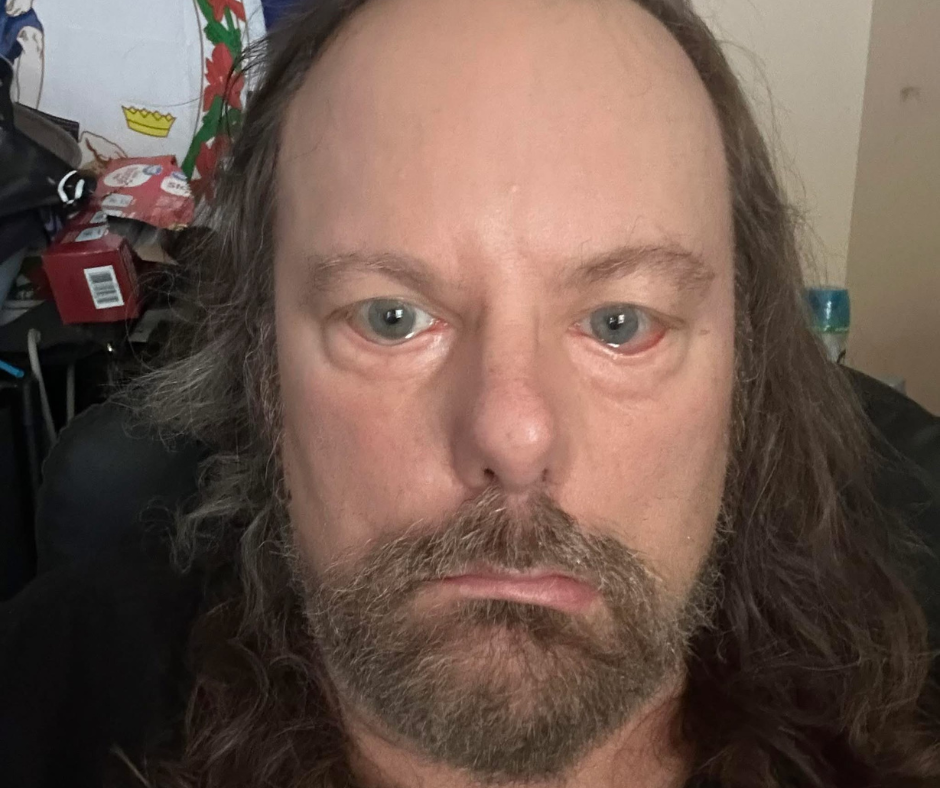
— Tim Smith
Founder, Many Faces of Moebius Syndrome (MFOMS), an all-volunteer organization
supporting individuals and families affected by Moebius syndrome
Remington, Virginia
More information about Moebius Syndrome Awareness Day can be found at:


Comments